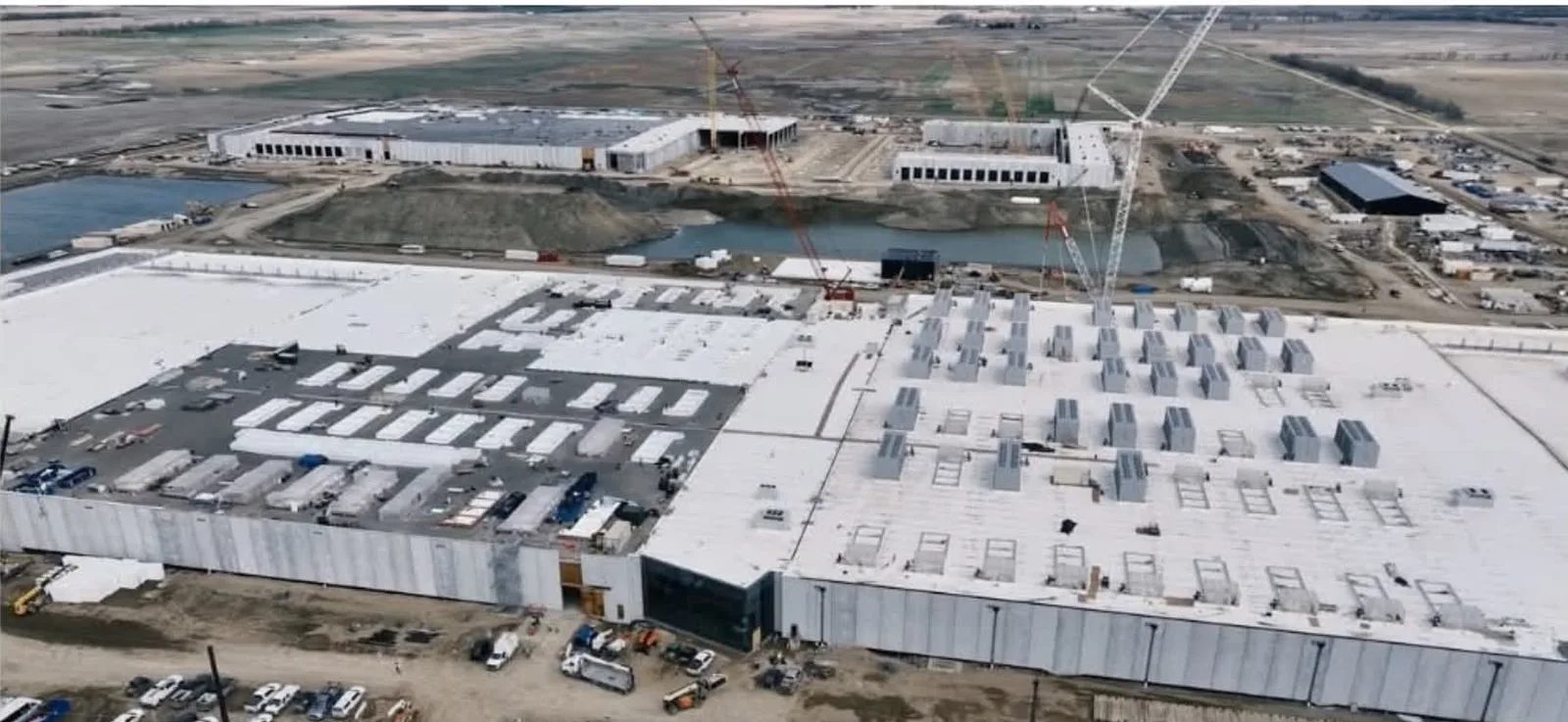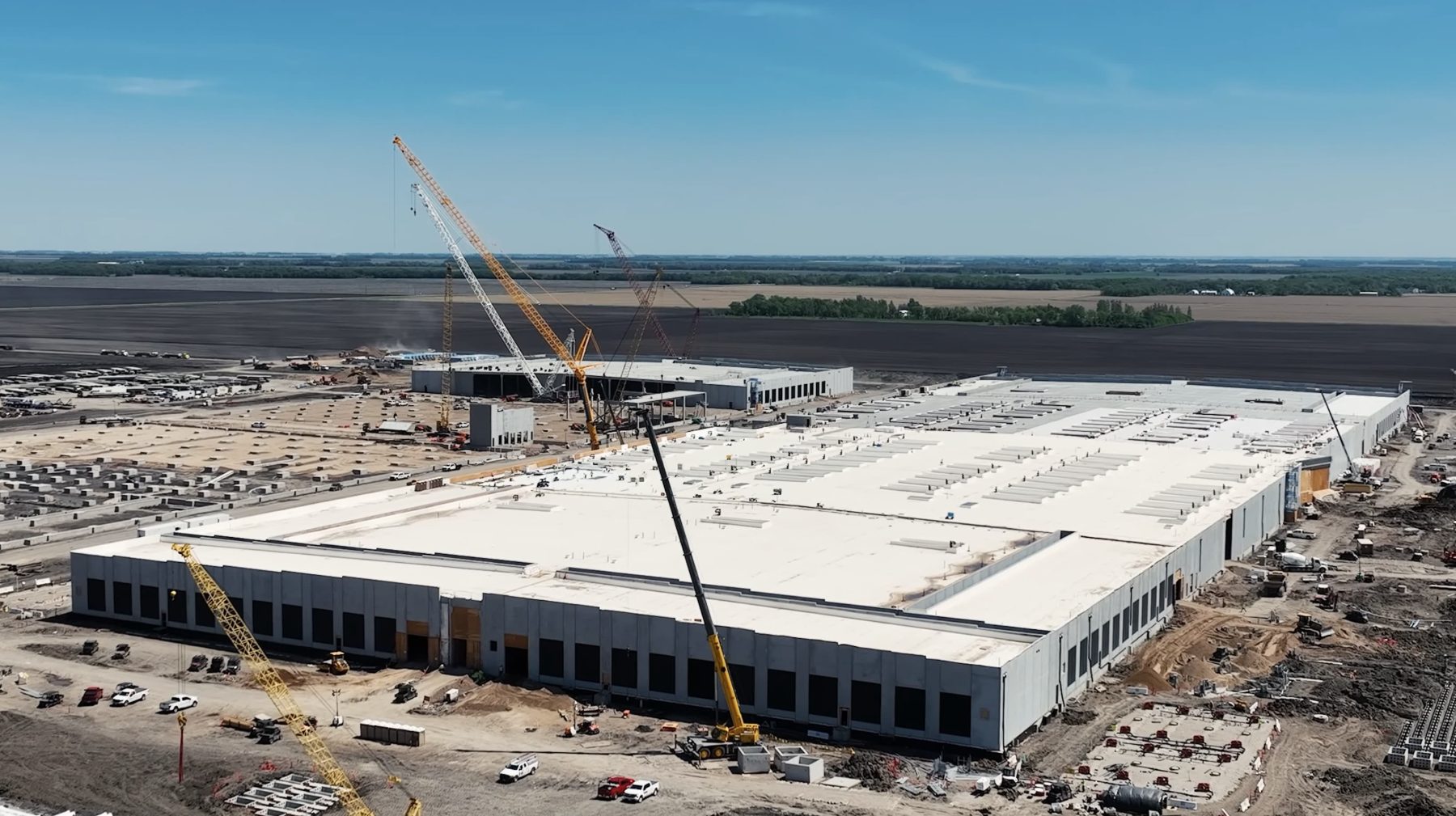
Applied Digital's Polaris Forge 2 campus in Harwood, North Dakota reflects the scale of AI infrastructure development now moving through the region.
In March 2026, Applied Digital announced the pricing of a $2.15 billion senior secured notes offering. In the announcement, the company stated that proceeds were intended to fund the development and construction of 200 MW of critical IT load at Polaris Forge 2, its AI Factory campus in Harwood, North Dakota.
That public milestone says a lot about the size of the opportunity.
It also says a lot about the expectations placed on the construction teams working around these environments.
Mission-Critical Work Carries Business Pressure
A campus like Polaris Forge 2 is not just a construction project. It is part of a larger business, technology, and infrastructure timeline.
Owners are thinking about power, capacity, leases, deployment schedules, equipment, customers, financing, and long-term operations. Those pressures eventually show up in the field.
That means construction teams have to understand more than the task in front of them. They have to understand how each decision affects the next phase of work.
A missed handoff, unclear sequence, late decision, or preventable safety issue can create delays that move beyond one work area. On a mission-critical campus, the work is connected.
Harwood Reflects a Bigger North Dakota Story
North Dakota is becoming a serious market for AI infrastructure.
Applied Digital's public materials describe Polaris Forge 2 as part of its AI Factory campus model, while also describing the company as a designer, builder, and operator of high-performance data centers and colocation services for artificial intelligence, networking, and blockchain workloads.
For the region, that means national infrastructure demand is no longer something happening somewhere else.
It is happening here.
That creates opportunity for local and regional construction teams that can operate at a higher level. The work requires discipline, documentation, communication, field leadership, and safety planning that can stand up to the pace of the market.
Coordination Is the Core Skill
Large mission-critical campuses create complexity by nature.
Civil work, structure, power, mechanical systems, equipment planning, material movement, deliveries, site access, trade partners, safety requirements, and owner expectations all have to be coordinated. At the same time, the project has to keep moving.
That is why coordination is not a side task. It is the work.
Field leaders need to know what is happening today. Project managers need to know what decisions are coming. Trade partners need to understand the sequence. Owners need the right information before timing becomes critical.
Good coordination reduces confusion. It protects the schedule. It supports safety. It gives the project a better chance to move with control.
Speed Without Control Creates Risk
Fast work is not automatically good work.
Mission-critical construction requires urgency, but urgency has to be supported by process. The goal is not to make the job look busy. The goal is to move the project forward in a way that is organized, safe, and repeatable.
That starts with planning. It depends on communication. It requires the right people in the right places. It also requires a team willing to focus on what can be controlled and solve issues before they become excuses.
For Century Mission Critical, that mindset is central to the work.
What Harwood Represents
Polaris Forge 2 represents more than a single campus.
It represents the next phase of AI infrastructure in North Dakota. It shows how large the demand has become and how much discipline is required to turn that demand into real construction progress.
For builders, the message is clear: the market is moving quickly, but the fundamentals still matter.
Plan the work. Communicate early. Protect people. Coordinate trades. Respect the schedule. Follow through.
That is what mission-critical work demands.